A Protocol for Weighing Yourself That Produces a Usable Trend
A Protocol for Weighing Yourself That Produces a Usable Trend
To make the number on the scale mean something, you need a standardised protocol. The correct routine removes the noise of daily weight fluctuation and reveals the trend over weeks. Without it, a single reading tells you nothing about fat loss, muscle gain, or overall health. Start tomorrow morning: same time, same clothing, same scale on a hard flat surface. Record the result as part of a moving average, not a single data point.
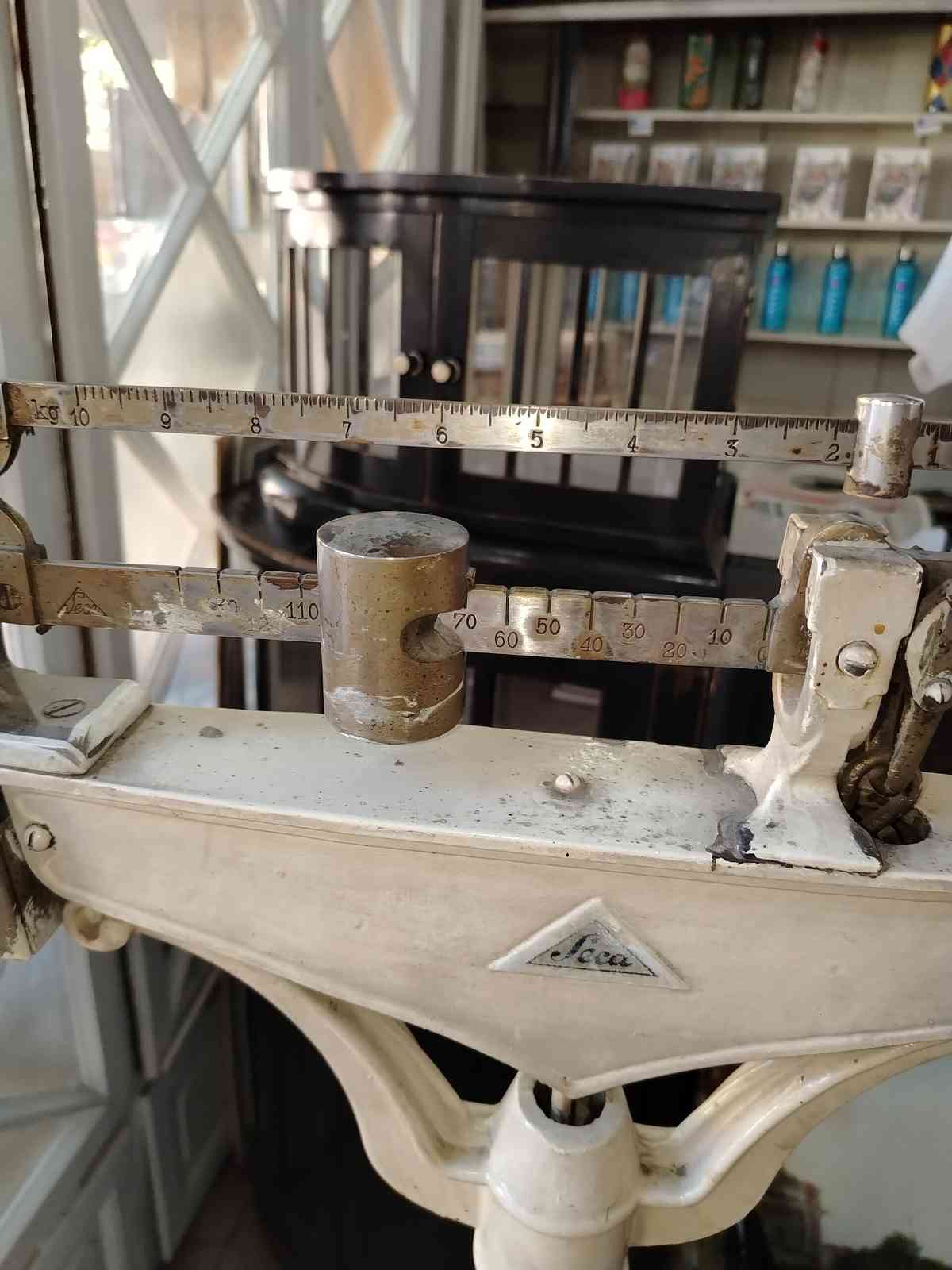
Best Time to Weigh Yourself: First Thing After Voiding
The single biggest source of daily variation is diurnal swing. Body weight can swing by 1 to 2 kilograms within a single day. Food intake, water consumption, bowel content, and the timing of your last meal all shift the number. The only time you get a reading free of those inputs is first thing in the morning, after you have used the toilet, before you have eaten or drunk anything. This is the first morning weight. It is the only reading you can compare to yesterday's with confidence.
Weigh yourself after voiding, not before. The weight of urine and stool can add 0.5 to 1.5 kilograms to the reading. A post-void measurement removes that variable. If you weigh after breakfast or after a workout, you are measuring food mass, water retained from a meal, or fluid lost through sweat. You are not measuring changes in body composition.
Clothing Weight: Remove or Standardise
Clothing adds a predictable but variable amount. A light cotton T-shirt and shorts add roughly 0.2 to 0.4 kilograms. Jeans and a sweater can add 0.5 to 1.5 kilograms. Weigh yourself naked one day and in a full outfit the next, and the difference can mask or exaggerate a real change.
The solution: wear the same thing every time. Ideally, wear nothing. If you prefer a garment, choose a consistent light one such as a single pair of underwear or a sports bra and shorts. Record what you wear and never change it. A change in clothing weight is an error you can eliminate completely with one decision.
| Error Source | Typical Magnitude | How to Eliminate |
|---|---|---|
| Diurnal variation | 1–2 kg within a day | Weigh at same time each morning |
| Clothing weight | 0.2–1.5 kg | Weigh nude or in consistent light garment |
| Scale on carpet | Up to several kg | Place scale on hard, level floor |
| Hydration status / glycogen water | 1–3 kg | Weigh before eating or drinking |
| Bowel content | 0.5–1.5 kg | Weigh after voiding |
Weighing Frequency for Trend: Daily, Then Average
Daily weight fluctuation is normal. The scale can shift by 1 to 2 kilograms from one day to the next based on sodium intake, water retention, menstrual cycle water weight, and carbohydrate stores. Glycogen binds 3 to 4 grams of water per gram, so a high-carbohydrate meal or a hard workout that depletes glycogen shifts water weight independently of fat change. These shifts are not fat loss or gain. They are water and glycogen.
Building a Moving Average
Watch the trend over weeks, not a number on a single morning. Weigh yourself every day at the same time under the same conditions. Record the number. Then calculate a moving average, such as a 7-day average, to smooth out the daily noise. The moving average is what you watch for change. A single spike or drop of 1 kilogram means very little.
Why Daily Weighing Works
Weighing daily gives you more data points, which makes the moving average more reliable. Weighing weekly or monthly can miss the trend because a single reading on a high-water day or a low-water day can mislead. Research on daily weight fluctuation shows the normal range for most people is 1 to 2 kilograms. A daily weighing protocol captures that variation and lets you average it out.
Digital Scale Accuracy and Placement
The precision of a digital scale matters less than its consistency. A consumer scale that repeats the same reading for the same weight is more useful than a clinical scale used infrequently. Place the scale on a hard, flat surface. A carpeted floor can cause the scale to sink, introducing an error of several kilograms. The same spot on the same floor every day removes that variable.
Check the scale occasionally against a known calibration weight, such as a 5-kilogram dumbbell or a water jug whose weight you know from a reliable source. If the scale is off by more than 0.1 to 0.2 kilograms, replace the batteries or the scale itself. Most consumer scales drift over time. A scale that is consistent is better than one that is accurate but inconsistent.
More in this guide
Measuring Body Weight, Height, and Composition: A Guide to Getting Numbers That Mean SomethingHow to Measure Height Accurately and Why It Matters for BMI.
Common Questions
What is the best time to weigh yourself?
The best time is first thing in the morning, after urinating and before eating or drinking. This is the first morning weight and is the most consistent and comparable measurement.
How much can daily weight fluctuation affect my reading?
Daily weight fluctuation can be 1 to 2 kilograms in a normal range, due to factors like sodium intake, water retention, menstrual cycle, and glycogen stores. This is not fat gain or loss.
Should I weigh myself every day?
Yes, if you want to see a trend. Daily weighing allows you to calculate a moving average that smooths out daily noise. Weekly or monthly weighing is less reliable because a single reading may fall on a high-water or low-water day.
How accurate is a digital scale?
A good digital scale for clinical use has a calibration tolerance of ±0.1 kilograms. Consumer scales can vary more. Always use the same scale and check it occasionally against a known calibration weight.
What are the main sources of weight measurement error?
The main sources are diurnal variation (1-2 kg), clothing weight (0.2-1.5 kg), scale placement on a carpeted floor (several kg error), hydration status, and bowel content. Standardising the procedure eliminates most of these.
Why does the number on the scale go up after a hard workout?
A hard workout depletes glycogen stores, and the body retains water to replenish them. Glycogen binds 3 to 4 grams of water per gram, so a single workout can cause a temporary weight gain of several hundred grams to a kilogram. This is water, not fat.
Does the scale need to be on a hard flat surface?
Yes. A carpeted or uneven floor can introduce an error of several kilograms by allowing the scale to sink or wobble. A hard, level surface is essential for an accurate reading.